Camping for beginners: the complete practical guide
AI-assisted English translation of the German guide. Illustrative images are AI-generated, not product photos. Numerical claims from the original are contextualised, and safety advice has been clarified. We have not tested this equipment ourselves.
Camping brings freedom, nature and time together without much fuss. The German original opens with a record of almost 44.7 million overnight stays at German campsites in 2025, attributed to the Federal Statistical Office. If you have only dreamed of waking up in a tent, drinking coffee outside and looking up at the stars, this is a good place to start.
This practical guide is for complete beginners and people with only a few trips behind them. We cover why camping is popular in 2026, the main camping styles, essential equipment and planning your first trip. Then come group layouts, rain, heat and wind, cooking without a fridge, power stations, power banks and solar, hygiene, rubbish, etiquette, budgeting, common mistakes and a clear conclusion. Pack your toothbrush: let’s begin.
Why camping is so popular in 2026
Camping is mainstream rather than a niche holiday. The German source cites 44.7 million campsite overnight stays in Germany in 2025, up 4.2% on 2024, with full-year figures released in March 2026. These are German tourism figures, not a forecast for your destination.
German Federal Statistical Office: camping overnight stays (German)
Tagesschau also reports on the popularity of camping, citing Germany’s Federal Statistical Office. The original describes several years of growth and 2025 as a record year, rather than a one-off spike: camping has become an established travel choice.
Tagesschau: the German camping boom (German)
Prices are a less comfortable subject. The original refers to ZDFheute coverage of rising camping costs, but notes that the available extract gives no reliable numerical increase. Treat that as a general observation and budget a buffer rather than relying on an exact forecast.
What that means for your trip
Popular campsites, group pitches and festival camping areas can book up early. A crew needs adjoining space, which is often harder to find than a single pitch. Reserve well ahead where possible, rather than relying on a last-minute arrival. Plan equipment early too: if you need electricity for phones, lights and a tent pump, work out which power station suits your trip before the camp goes dark halfway through the evening.
Camping styles: which one suits you?
Before booking, decide what kind of camping fits your crew. These five common options differ mainly in facilities, effort and rules.
Campsites usually offer toilets, showers, electricity and reception, often with marked pitches. They are an easy starting point, but check arrival times, quiet hours and pitch dimensions. Measure your vehicle and allow room for the full setup.
Festival and open-air camping usually means a field or meadow with limited permanent facilities. Portable toilets and water points may be the main services. The attraction is the crew atmosphere and staying close to the event, music included.
Van, car and roof-tent camping offer more comfort and less tent setup. Pitch charges may differ, and parking areas can have height limits. Measure your vehicle’s total height, including anything mounted on top.
Wild camping rules vary by country, region and land ownership. The German original notes that it is generally restricted in Germany and points to BR24’s European overview. Check the current rules for your precise destination and get any required permission before travelling.
BR24: wild camping rules in Europe (German)
Group camping combines several tents and a communal shelter, so you need more room and clearer agreements. Noise affects a group camp differently from a solo trip. Our group-camping guide explains how to plan the space and share responsibilities.
In short: a campsite for an easier first trip, a festival for the crew experience, a van or roof tent for added comfort, and wild camping only where the rules and permissions allow it.
Essential equipment for your first camping trip
Whichever style you choose, the basics are similar. The good news is that you do not need to fill the entire boot.
Start with sleeping equipment. Allow space for bags rather than filling every advertised tent berth: a four-person dome can be more comfortable for two people with luggage. Choose a sleeping bag by its comfort rating, not its extreme survival rating, and allow for individual sensitivity to cold. The original mentions an approximate 5°C difference between standard comfort and lower-limit figures; this is not a universal rule for every sleeper. Match the bag to expected night temperatures, with extra reserve in spring and autumn. A suitably insulated sleeping mat is essential: an ordinary air mattress may offer little insulation from cold ground.
Kitchen basics: a gas stove, compatible wind protection, a spare approved fuel canister, pot, pan, crockery, seasoning, washing-up liquid and a sponge. That can cover a weekend. Our Camp Kitchen & Chill-out guide has nine equipment ideas for a straightforward setup.
For power, a suitable power station can run lights, charge phones and operate a compatible tent pump. Carry a smaller power bank away from camp, and consider a compatible solar panel for daytime charging.
Cooling and comfort: a cool box with ice packs, chairs, a table, a shelter or sunshade, and a waterproof bag for clothes. Keeping a dry change of clothing makes a big difference on the last morning.
Tools and repairs: spare pegs, a rubber mallet, strong repair tape, cable ties, a rain tarp and rubbish bags. These unglamorous items can rescue more trips than a luxury accessory.
Once the essentials are sorted, planning becomes much easier.
From idea to campsite: plan step by step
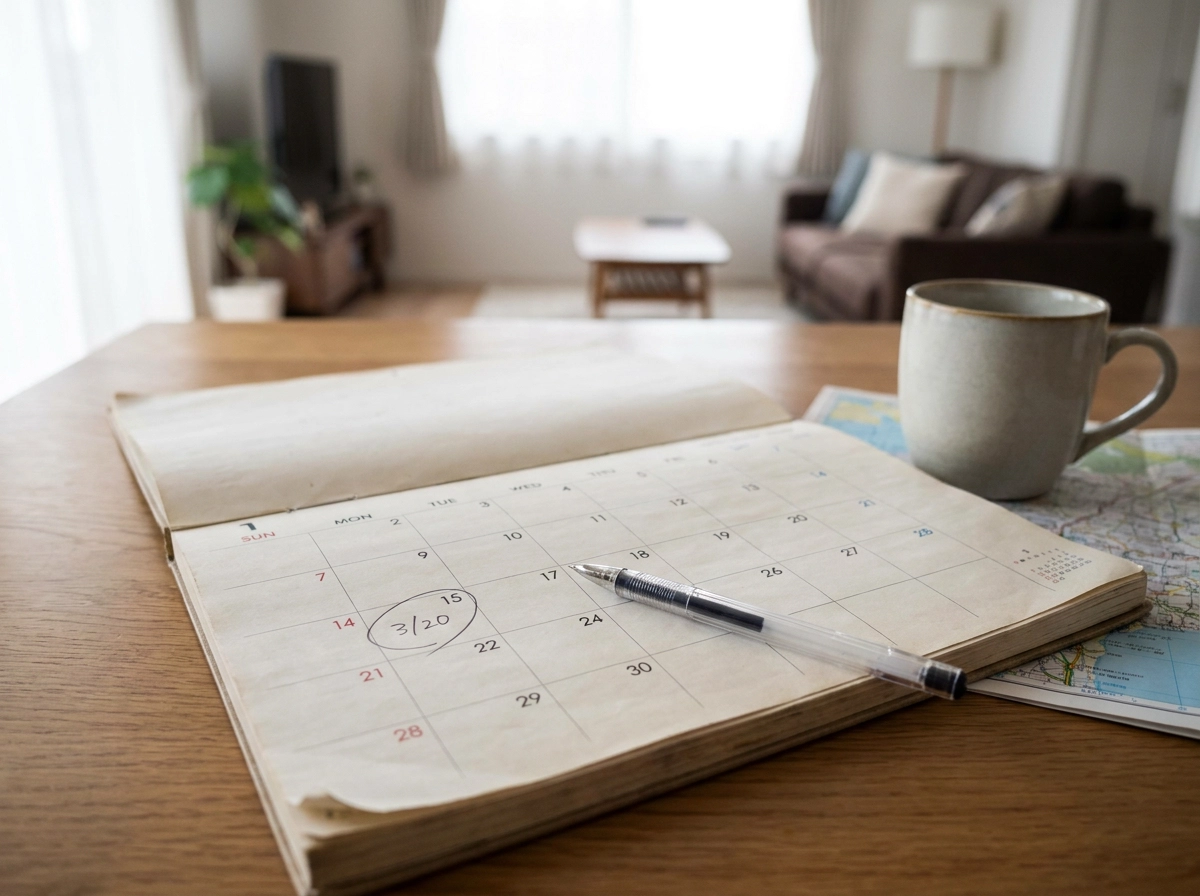
With equipment organised, follow these five steps from picking a date to setting up camp.
Step 1: choose the dates and location. Agree on a weekend, then book the site. Popular group areas may fill early. Read the conditions immediately, including shelter rules, gas-stove permissions, arrival times and quiet hours.
Step 2: confirm the crew. Find out who is definitely coming before booking. Who can drive, who has spare vehicle space, and who owns a shelter, cool box or stove? Clear responsibilities prevent arriving without a mallet or with three identical cool boxes.
Step 3: write a packing list. Paper or a phone works, while TripSquad’s interactive list lets you organise equipment and mark what is packed. Add names or responsibilities to items so everyone knows what is still at home and who is bringing it.
Step 4: share shopping and costs. Write one shopping list and agree on shared expenses so you do not end up with five tins of pasta and no coffee. Split agreed communal drinks, water, snacks and travel costs fairly; keep personal purchases separate.
Step 5: set up camp. Pitch tents first, then the communal shelter, kitchen and sleeping areas. Keep clear working space while erecting the shelter. Check every peg and secure all approved guy points in wind, not just the corners.
The basic structure is ready. Now organise the details that make camp comfortable.
Group camp layout: shelters, tents and sleeping areas
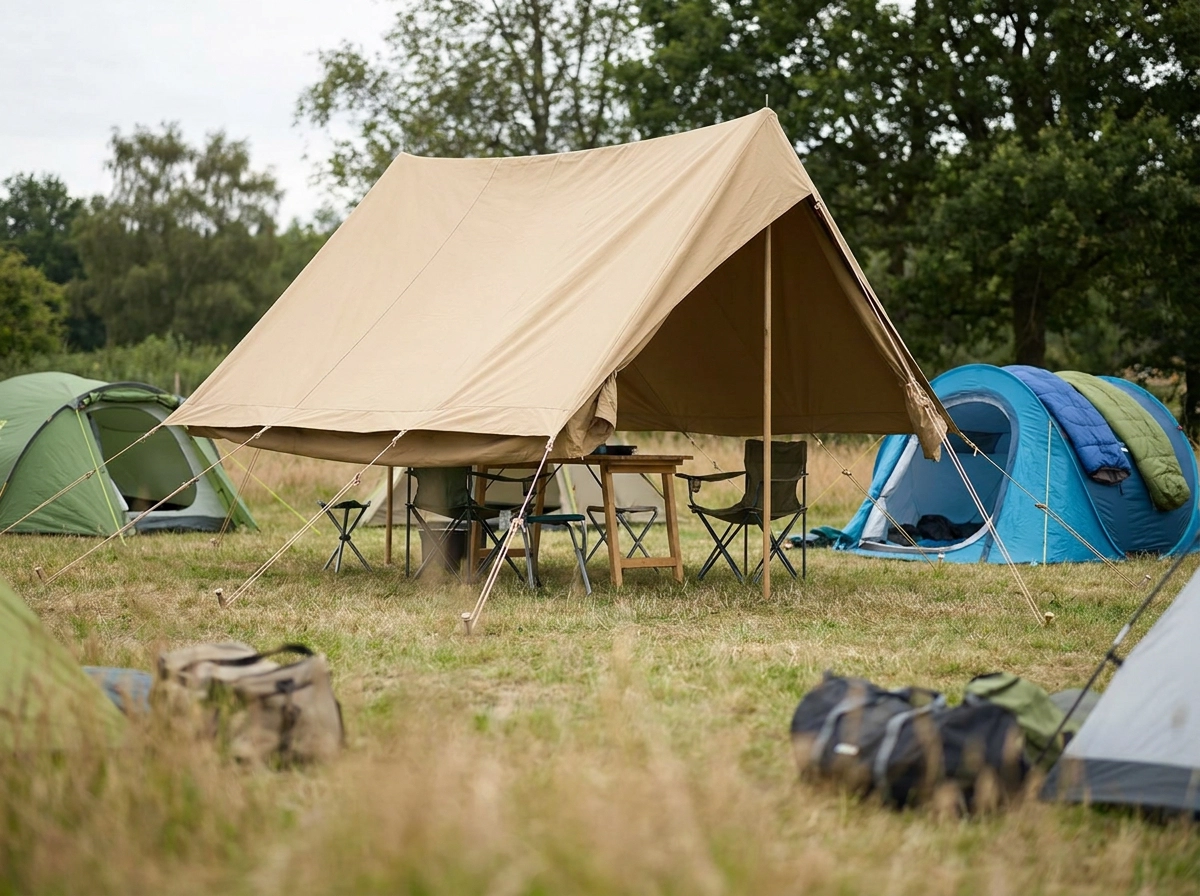
Once the main structures are up, divide camp into zones. The layout has a big influence on how relaxed the weekend feels.
The communal shelter is the camp’s living room. Put it where everyone can reach it, but do not assume four supplied pegs are enough. Follow the manufacturer’s anchoring instructions and use suitable extra pegs and guy lines where required. Soft ground may need a different anchoring solution. Our weather-protection guide covers stable setups for wind and rain; take shelters down before conditions exceed their limits.
Tent choice matters for groups. Dome tents can offer balanced guying, while tunnel tents often have more standing room and luggage space; actual wind performance depends on design and pitching. Blackout bedrooms keep early daylight out. For six people, two four-person tents may offer more usable luggage space than one six-person model.
Keep sleeping, cooking and social areas separate. Music, food smells and constantly opening tent doors are not what everyone wants beside their pillow.
Leave clear escape routes between tents. Keep cooking equipment well away from tents, shelters, neighbours and combustible material, respecting site and manufacturer requirements. A falling pot or loose shelter pole can injure anyone nearby.
Agree on quiet time. People planning to stay up late should use an appropriate communal area without disturbing sleeping neighbours. A short conversation on the first evening prevents the same argument every night.
With the layout sorted, prepare for rain, heat and wind.
Weather-ready camping: rain, heat and wind
Rain
Avoid hollows where water collects. Use a correctly fitted footprint or groundsheet without edges protruding beyond the tent and collecting rain. Pack a rain jacket and dry spare clothes separately in waterproof bags.
Wind
If a storm approaches, take down the communal shelter safely before conditions deteriorate. Secure tents at every approved guy point, not only the corners, and move to safe shelter when needed.
Heat
Sun in an open field is easy to underestimate. Use safe shade and keep plenty of drinking water available. Ventilate the tent when conditions allow. Watch for thunderstorms: if you hear thunder, go to a substantial building or an enclosed hard-topped vehicle, not a tent or gazebo. Wait at least 30 minutes after the last thunder before returning outside.
Festival mud
Wellies or suitable waterproof footwear help in wet conditions. A mat at the entrance keeps some mud out, and a separate bag keeps dirty clothing away from clean kit.
Check the forecast before leaving
Review the forecast and official warnings for every day of your trip, then plan your setup accordingly. Rain and wind are normal possibilities, not just bad luck. Prepare for them to protect your tent and your mood. The linked DWD service covers Germany; use the relevant weather authority elsewhere. Our Camp & Weather Protection guide has more on tents and shelters.
DWD: official weather warnings for Germany (German)
Festival kitchen: food and drink without a fridge
With the weather plan ready, turn to meals. In a field without refrigeration, your shopping list determines how easy the weekend will be.
Gas-stove setup: take compatible wind protection and spare approved fuel. Wind can slow cooking, but never enclose or overheat a canister. Use a stable, level, non-combustible surface and suitable cookware. Never cook in a tent or enclosed shelter: outdoor camping stoves belong outdoors.
Choose shelf-stable food such as dry pasta, rice, tinned pulses, suitable unopened spreads, coffee, nuts and fruit that stores well. Perishable food such as minced meat and fresh milk must remain at a safe refrigeration temperature until used; being on the first day of a trip does not make unrefrigerated food safe.
Pack the cool box according to its instructions, keep ice packs around perishable food and monitor the temperature if using it as refrigeration. Open it briefly and keep it shaded. Cooling performance matters more than assuming a particular layer order keeps everything safe.
One-pot meals mean less washing up: try tinned chilli with rice, pasta with a suitable pesto or potato stew. Pack snacks such as bars, nuts and fruit for the walk to the stages.
Water and hygiene: use clean drinking-water containers, a washing-up basin, washing-up liquid, a sponge and separate rubbish bags. Use designated washing and wastewater facilities rather than emptying dirty water onto the campsite.
An empty fuel canister and an empty phone battery are different problems. Next, plan electricity for the devices that need it.
Power in the field: power stations, power banks and solar
Sockets are often scarce, so plan electricity as carefully as food: work out demand first, then choose equipment.
Estimate the energy used by phones, lights and pumps over the whole trip. The original suggests these can exceed 200Wh over a weekend, but that is an illustrative estimate: calculate your own devices, usage time and charging losses.
Choose enough battery capacity and suitable output with a sensible reserve. Independent reviews, such as those from Germany’s ADAC and Stiftung Warentest, can help, but check your actual devices. Cool boxes, projectors and electric grills may need much more energy and output than phones and lights. Our camping power-station guide explains common uses.
A compatible solar panel can add charge in good sunshine with suitable positioning. Rain and shade can greatly reduce output. Treat it as a supplement, not a guaranteed replacement for stored battery capacity.
The power station stays in camp; a small power bank goes with you to the festival area so you do not need to walk back just to charge a phone.
Safety: check event rules, as many organisers restrict generators. Keep cables out of walking routes and store electrical equipment dry, respecting its operating limits. Do not depend on finding an available socket at the toilet block.
Hygiene, rubbish and camping etiquette
Electricity is sorted. Now for the less glamorous habits that still make or break a weekend.
Collect, separate and remove rubbish
Bring several rubbish bags and separate waste according to the site’s system. In Germany, deposit-return bottles and cans should go back through the return scheme rather than into general waste. On departure, take everything to the designated collection point. Left-behind rubbish may affect any campsite deposit.
Leave no trace
Leave the pitch as you found it. Retrieve every peg, dispose of completely cooled ashes only where permitted, and never bury rubbish or food scraps. Food attracts animals. Count the pegs before leaving: they are easy to overlook in grass.
Respect neighbours
Music, alarms, slamming tent doors and quiet hours are common sources of friction. The original gives 10pm–7am as an example, not a rule for every site. Follow your campsite’s actual hours, agree on noise levels with the group and use headphones late at night.
Hygiene without a shower
A washcloth, suitable wipes, dry shampoo and hand sanitiser can help between showers, but proper handwashing remains important, particularly before food preparation. A portable camping toilet may be useful where permitted; use approved disposal facilities and keep it separate from cooking and sleeping areas.
Keep the crew together
A quick evening check-in, clear duties for cooking, washing up and rubbish, and a couple of group games help everyone feel included. Shared responsibilities mean fewer arguments on the last day.
The camp is clean. Time to ask what the whole weekend will cost.
Camping costs: plan a realistic budget
Look beyond the advertised pitch price when calculating the weekend’s cost.
List pitch fees per person or night, electricity, visitor taxes, parking and food. Check what is included before dividing costs. The German original mentions around €41 a night for a family with a vehicle in peak season, excluding tents, but gives no source in this section: it is not a current quote or a reliable price for your trip. Ask the campsite for the actual group and tent rates before booking.
Share equipment instead of buying everything. Someone may already own a shelter, stove or cool box. Beginners can bring personal sleeping equipment while communal kit comes from a shared pool. Any savings depend on what the crew already has and the real prices.
Keep price forecasts in perspective. The original mentions media coverage and an approximately 7% increase in some 2026 analyses, without a linked source here. Do not use that as a verified prediction. Build a buffer, compare current quotes and ask about early booking or group rates rather than assuming a discount.
Split agreed shared costs realistically: transport, ice, water and rubbish fees can come from a common fund, while personal drinks and snacks remain separate. A shared cash box or expense record works if everyone agrees, contributes fairly and records purchases. Keep money secure rather than leaving it unattended in a shelter.
Common beginner mistakes and how to avoid them
Even with a sensible budget, a first trip rarely goes perfectly. These five avoidable mistakes can cost time, money or patience.
Packing too much. A full boot feels reassuring, but unnecessary duplicates take space and slow setup. Start with a suitable tent, sleeping bag, insulated mat, stove and light; add items because you need them, not because they fit.
Testing the tent for the first time on arrival. Pitch it at home or somewhere permitted beforehand. Check missing pegs, damaged poles and the setup sequence before you have to learn in rain or fading daylight.
No plan for rain and wind. Bring appropriate protection, check the forecast and secure all approved guy points. Use the weather section above as a checklist.
Booking too late. Reserve early where possible, especially when you need adjoining group pitches.
No group agreements. Use the crew chat to decide who brings the shelter, stove and cool box before leaving home.
Avoiding those five classics leaves more energy for what camping is really about: time with your crew.
Conclusion: your first step towards a relaxed camping weekend
You know the main pitfalls. Now turn the plan into a manageable first weekend.
Start with an honest packing list and choose a tent with enough room for your people and bags. Less equipment, chosen carefully, is often easier than packing everything you own.
Book early, prepare for the weather and share equipment responsibilities. TripSquad’s interactive packing lists include options for mud, heat and rain so you can plan sleeping kit, cooking and electricity systematically.
Then relax. Your first trip is practice, not an exam. Afterwards you will know what can stay at home and what you missed. That is how a first attempt becomes a routine and a group becomes a well-organised crew.
Related camping guides
- Camping packing list for your first trip — organise essentials and choose a lightweight or comfort-focused setup.
- Choosing tents, sleeping mats and weather protection — compare sleeping equipment and plan a dry, stable base camp.
- Easy camping meals and one-pot recipes — plan breakfast, shelf-stable food and a shared shopping list.
- Setting up your first camp kitchen — choose cookware, water containers and cooling equipment.