Camping gas stoves: which stove suits your crew?
AI-assisted English translation of the German guide. Illustrative images are AI-generated, not product photos. We have not tested these products ourselves. Safety wording has been clarified: cook outdoors only and never improvise canister heating or leak repairs.
Want to avoid spending a fortune on lukewarm coffee at your next festival? Or cook properly on a camping holiday without hauling a barbecue around or relying on electricity? A camping gas stove could be just what you need. It sounds simple, and it can be, but there are big differences between tiny burners, cartridge stoves and sturdy multi-burner models. Let’s find out which stove suits your crew.
This beginner-friendly guide starts with why a gas stove is so useful at festival camp, then explains the main stove types and buying criteria. We cover affordable starter setups, cooking for groups, off-grid trips and power cuts, durable equipment for regular campers, canister and fire safety, meals without a fridge, and combining a stove with a power station, solar panel and power bank. Five final steps and common questions help you choose.
Why a gas stove is hard to beat at festival camp
For quick morning coffee, a gas stove is often the simplest option. You can heat water for coffee, tea or pasta without an electric hook-up, firewood or charcoal. Entry-level stoves can be affordable, and a canister can cover several cooking sessions depending on consumption. Two or three burners let a group cook simultaneously rather than queue for a single stove. Where camping and gas cooking are permitted, gas is useful on sites with few power connections. Stove, fuel and a suitable windscreen can fit in a box, car or backpack, so your setup adapts to festival life.
More ideas for cooking together: Camp Kitchen & Chill-out
Camping gas stove types: the main options
Your choice depends on how you camp. These four system categories cover most needs:
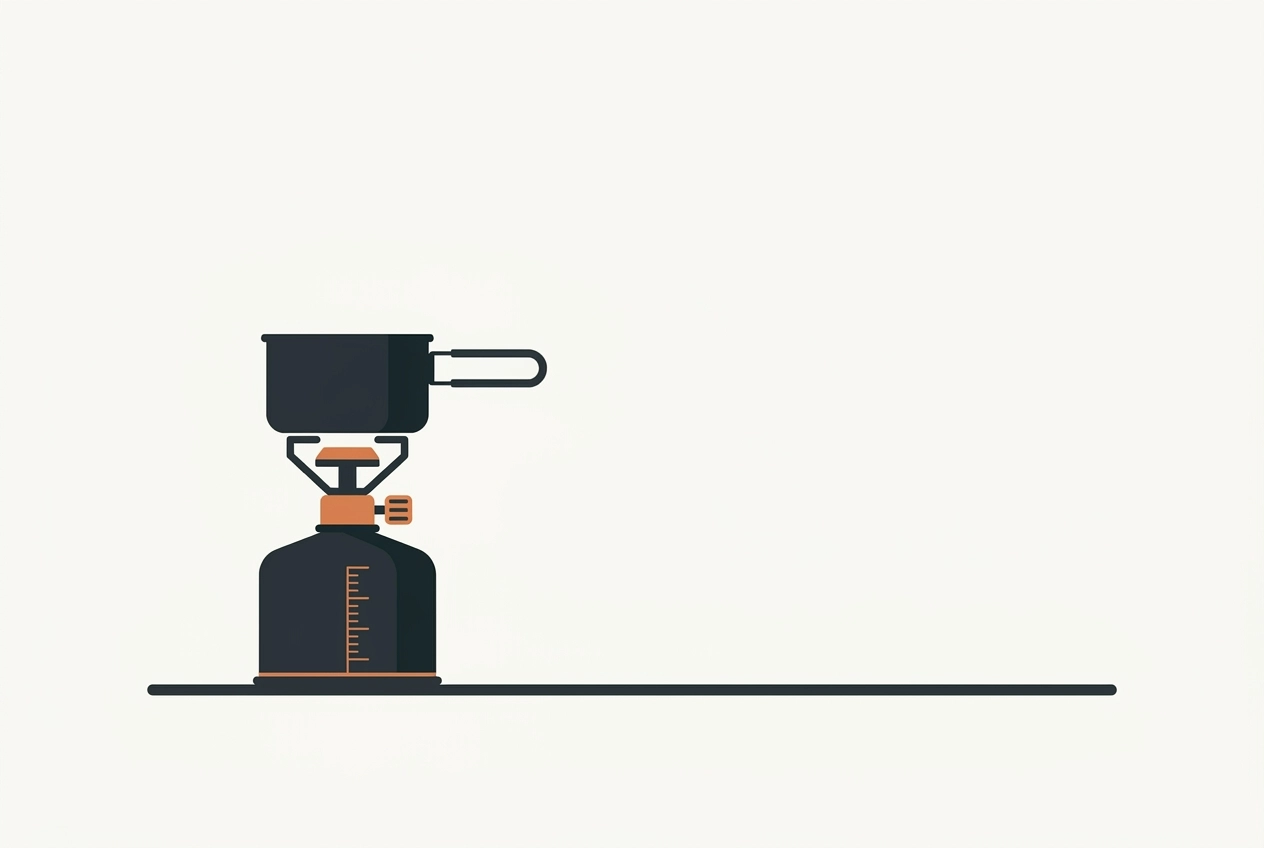
Screw-on single-burner stoves: the burner attaches directly to a compatible threaded canister. Small, light and often inexpensive, they suit one person, coffee, soup and one-pot meals.
Two- or three-burner stoves: sturdy suitcase-style or folding units let the crew cook together, but they weigh more and need a larger cooking area.
Remote-canister stoves: a hose connects the burner to a separate canister beside it. A low, wide burner can offer better stability and reduce tipping risk.
Adapter-compatible and multi-fuel systems: some support different canister types or other fuels. They can cost more but offer flexibility when sourcing fuel. Use only combinations specifically approved by the manufacturer; multi-fuel capability does not mean any canister will fit.
Independent reviews can help you narrow the options. The German ARD/NDR programme Markt has tested camping gas stoves, but a review cannot replace checking your own requirements.
NDR Markt: camping gas stove comparison (German)
The next sections explain which cooking equipment fits each kind of trip.
Buying criteria: what matters in a camping gas stove
Before falling for a model list, check these five points. They matter more than the brand or appearance.
Output in kW: moderate output can be enough for typical camping meals. Higher output may bring little benefit with small pots and can use more gas. Compare the manufacturer’s consumption figures and suitable cookware.
Canister type: pierceable, valve or threaded. Check both compatibility and what local shops stock, so you can find the right replacement near the festival.
Stability and wind protection: look for a wide base, secure pot supports and a compatible windscreen. Wind can slow boiling and increase fuel use. Never enclose a canister in a windscreen or allow it to overheat; follow the stove instructions.
Safety: check flame-failure protection where applicable, the correct regulator, leak-free connections and appropriate safety markings. Avoid unmarked equipment with unclear specifications.
Weight, packed size and cleaning: these determine whether the stove works for backpacking or only car camping, and how much cleaning you face afterwards. If you also carry a power station, plan the space for both.
Which power station suits your camping trip?
With your checklist ready, choose according to how you will use the stove.
Beginners and small budgets: straightforward starter stoves
For a budget festival weekend, a compact screw-on single burner can be enough. It packs small and can serve two or three people if you cook in turns. Suitability still depends on pot size, stability and fuel requirements.
When saving money, check compatible marked valve canisters, the stove’s safety features, secure pot supports, a well-built burner and properly made connections. Saving on equipment is fine; compromising safety is not.
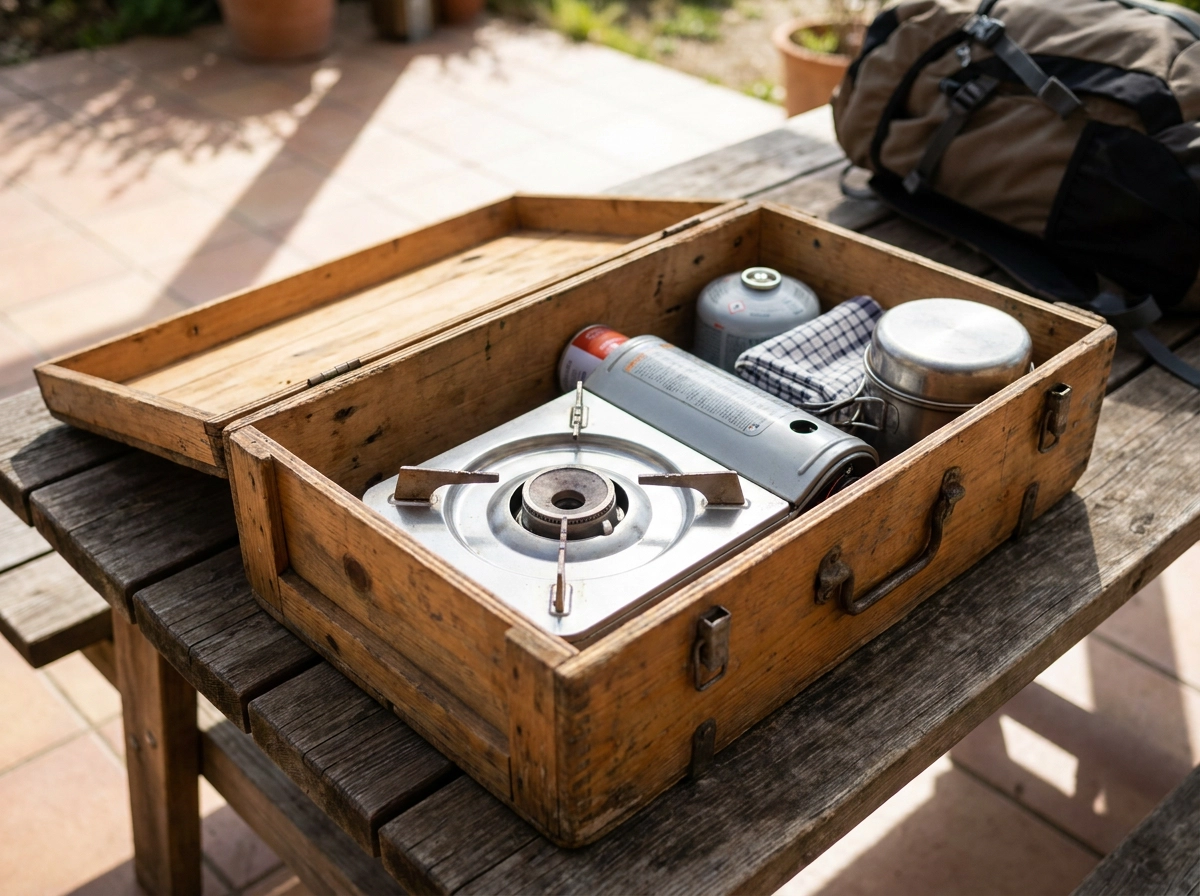
Starter kit: a stove, compatible fuel with a spare canister, a manufacturer-approved windscreen, a pot with a lid and a lighter as a backup if permitted by the instructions. Keep everything organised in one box.
Add your stove, compatible fuel and cookware to the interactive camping packing list
Explore Camp Kitchen & Chill-out equipment
Typical beginner mistakes: cooking in an enclosed awning, ignoring wind, using an oversized pot on a small burner or leaving a canister in a hot car.
Upgrade path: if you camp several times a year, compare a two-burner stove with buying and carrying two single burners. The better value depends on the actual equipment and your cooking needs.
Groups and festival crews: cooking together
Several pots can run at once rather than the crew queuing at a single burner. That means a shared dinner instead of separate sittings.
What matters when setting up a group camp
Budget alternative: two inexpensive single burners with suitable wind protection can offer flexible positioning and a backup if one fails. Compare their total cost and stability with a multi-burner unit.
Gas planning: the German guide suggests roughly 15–25 grams per person per hot meal as a practical estimate, not a manufacturer specification or a guarantee. Consumption varies with the stove, meal, temperature and wind. Round up, check your stove’s data and carry spare fuel.
Cooking area: use a stable, level, non-combustible surface, never a tent. Keep clear of tarps, sleeping bags and spare fuel, and protect the flame from wind without overheating the canister.
Divide the jobs: one person manages each stove, someone handles fuel changes safely, and someone cleans up. The original guide suggests around 20 minutes for preparing food, but timing depends on the recipe and group size.
Plan shared meals with our festival recipes and shopping list for four people
Off-grid trips and power cuts: compact, reliable and independent
For solo trips, a backup in the car or an emergency cooking option during a power cut, you may not need a large suitcase stove. A suitable compact single burner can provide hot food without electricity, but outdoor-only camping stoves must never be used indoors, even during an emergency.
Germany’s Federal Office of Civil Protection and Disaster Assistance (BBK) recommends being able to support yourself for at least ten days; even a three-day supply is helpful. This is German preparedness guidance, not a substitute for your local authority’s advice.
BBK emergency preparedness guide (German PDF)
Durability over peak output: simple mechanisms, few seals and easy cleaning help with festival dust. Store suitable fuel according to its manufacturer’s instructions.
Fuel reserves: store canisters cool and dry, outside tents and away from heat, including hot cars. Plan fuel for at least three hot meals as a starting point, then adjust for your actual needs and carry a spare.
Cold and wind: use compatible wind protection and a stove and fuel suitable for the expected temperature. Follow the manufacturer’s instructions; never heat a canister with a flame, heater or hot water. Do not improvise warming methods.
Emergency setup: combine a gas stove with a power station, lamp and power bank so cooking, lighting and charging are covered. Battery safety and protection from the weather matter when choosing stored power.
Regular use: durable stoves for frequent campers and festival veterans
For regular use, the question is whether a stove still ignites reliably after many festival weekends, not just whether it works as an emergency backup.
Materials and construction: look for a sturdy metal body, firmly attached pot supports and replaceable seals and regulators. Thin parts can bend and seals can deteriorate.
Maintenance: clean the burner and check the jet and canister connection as instructed by the manufacturer. Never check leaks with a flame. Regular care can extend service life, but there is no guaranteed lifespan increase.
Spare parts: before buying, check whether regulators, windscreens and approved adapters can be replaced. Without parts, a small failure may make the whole stove unusable.
For frequent cooks: a stable multi-burner with removable pot supports can make cleaning easier and support suitable larger cookware. Respect the stated pot-size limits.
An honest assessment: the most expensive stove is not automatically the toughest. Build quality, spare-part availability and wind protection matter more than the logo.
Gas stove safety: canisters, tents and fire prevention
Even a sturdy stove is unsafe if used incorrectly. This is the short safety checklist for festival camp; the complete manufacturer’s instructions always apply.
1. Use suitable equipment: buy clearly marked stoves and compatible, undamaged canisters with the required safety approvals. Use the correct regulator. Never modify connections or improvise adapters.
2. Cook outdoors, never in a tent or awning: combustion can produce carbon monoxide, which is odourless and potentially fatal. Ventilation does not make a tent safe for an outdoor-only stove. Never leave a lit stove unattended.
3. Position it safely: use a level, non-combustible surface and keep the required clearance from tarps, sleeping bags and fuel canisters. Wind protection must not trap heat around the fuel.
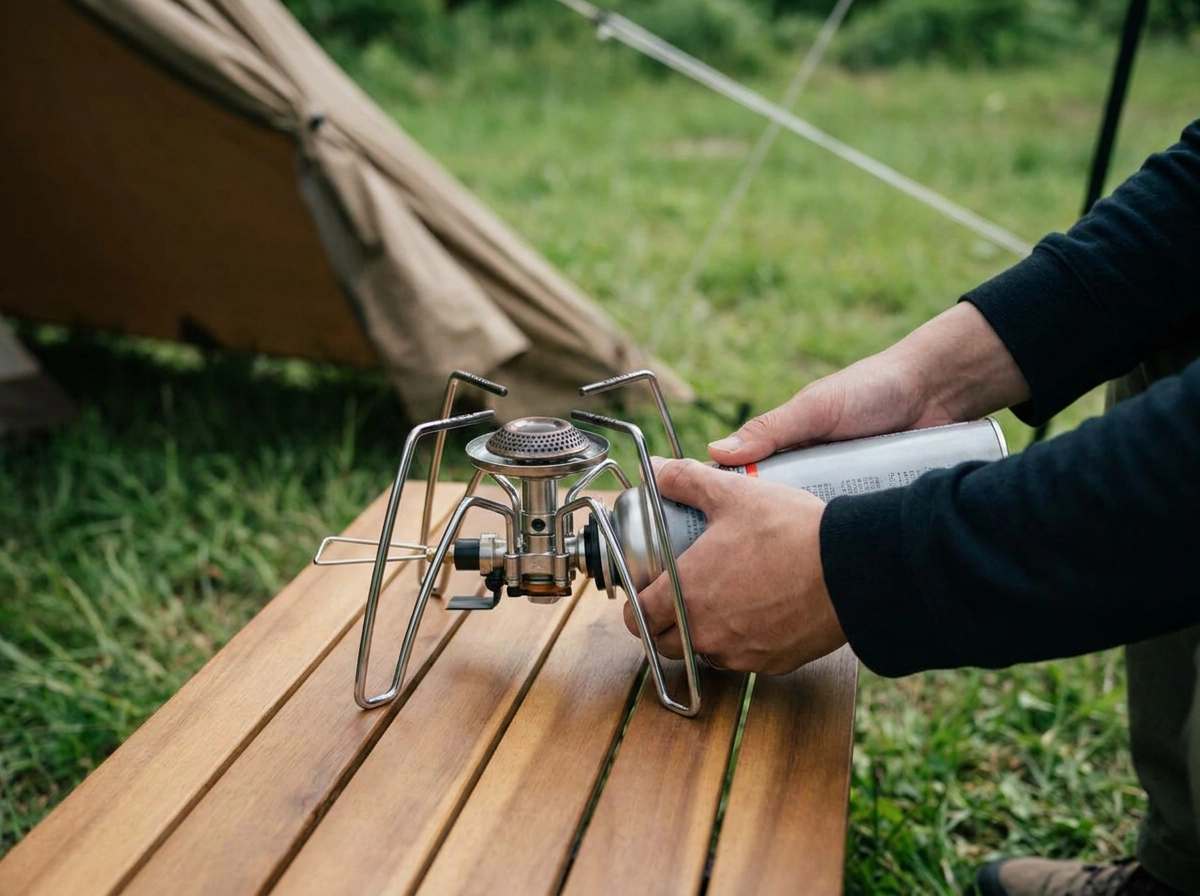
4. Change canisters safely: turn off the stove, close the control and allow it to cool. Change compatible canisters outdoors away from flames and ignition sources, following the instructions. If you hear unexpected hissing or smell gas, stop: do not light or keep using the stove. Close the supply if safe, keep people away and follow the manufacturer’s leak procedure; do not simply tighten a leaking connection while using it.
5. Avoid unmarked devices, improvised adapters, refilling disposable canisters and operating in direct heat or enclosed spaces. The German guide refers to fire-risk advice from the TÜV association; the complete equipment instructions remain essential. Check festival rules and any fire restrictions before bringing or using gas.
Terms of use and information about our content
Festival cooking without a fridge: meals from your gas stove
Cooking safely is one thing; eating well is another. These ideas help a fridge-free camp serve more than plain tinned food.
One-pot meals: pasta, potatoes, couscous or rice with tinned vegetables and seasoning. Add the required water and cook according to the ingredients’ instructions. One pot means less washing-up and a filling meal.
Coffee and tea for everyone: heat water while the crew has breakfast. Two burners can help larger groups avoid waiting for their coffee.
Warm food for cold festival nights: soup, tinned chilli or stew with bread or flatbread can work without refrigeration before opening. Check labels and use opened food promptly or refrigerate it as instructed.
Choose dry supplies carefully: pulses, couscous, instant mashed potato, seasoning and unopened shelf-stable jars can reduce the need for a fridge. Add water as required. Pesto and other opened jars may need refrigeration; follow the label.
Cleaning with little water: wipe the pot first, then wash with a little water and washing-up liquid. Put food scraps in a waste bag, not on the grass.
Festival food, meal ideas and a crew shopping list
An independent setup: gas stove, power station, solar and power bank
Cooking is covered, but electricity can make your festival camp more independent. A gas stove and stored power complement each other.
Separate the jobs: the stove cooks food; the power station supplies lighting, charges phones and runs a compatible cooler when its output and capacity allow it. Gas is reserved for meals.
Read our camping power station guide to compare capacity, output and solar charging
Suggested setup order: gas stove, suitable windscreen, power station with a compatible solar panel, phone power bank and an LED camp lamp. Keep the equipment organised and set it up in safe positions.
Space and weight: planning a stove, compatible fuel and a power station together avoids unnecessary duplicate equipment. Setup time depends on the devices and site.
More on power stations, solar panels, power banks and lighting
FAQ: common questions about camping gas stoves
Here are the questions beginners often ask when choosing a stove.
Which gas stove is best for camping?
A screw-on single burner can suit beginners; a multi-burner can suit groups. Stability, wind protection, reliable ignition and compatibility matter more than choosing the most expensive model.
Can I use a gas stove in a tent?
No. Carbon monoxide and fire make this dangerous. Use outdoor-only camping stoves outdoors, not inside a tent or awning, even with ventilation.
How long does a gas canister last?
The original guide uses 15–25 grams per person per hot meal as a rough practical estimate, not a manufacturer value. Real consumption varies. Check the stove’s data, round up and pack a compatible spare.
Can I cook in cold weather?
Yes, with equipment and fuel rated for the conditions, but performance can drop. Use approved wind protection and take spare fuel. Follow the manufacturer’s instructions and never heat a canister with a flame or improvised heat source.
What should I check when buying a canister?
Match the stove’s specified system, such as pierceable, valve or threaded, and buy approved compatible fuel. Do not improvise adapters.
Conclusion: five steps to the right camping gas stove
You have the background; now plan your cooking area in five steps.
1. Define your use: solo coffee, crew meals or emergency backup? Let that decide the stove type, not the catalogue.
2. Buy for safety: stability, approved wind protection, appropriate safety features and available compatible fuel matter more than the lowest price.
3. Plan fuel for the crew: calculate everyone’s needs, take a reserve and store canisters cool and outside tents as described above.
4. Cook outdoors: follow the complete safety guidance, the manufacturer’s instructions and local restrictions.
5. Add independent power: a power station, solar panel, power bank and lighting can reduce dependence on an electric hook-up.
Your festival camp is ready. Pack the box, head out and set up safely.