What to Eat at a Festival Without Cooking: 15 Quick Ideas
Share this article
AI-assisted English translation of the German guide. Illustrative images are AI-generated, not product photos. Numerical claims from the original are contextualised, and safety advice has been clarified. We have not tested this equipment ourselves.
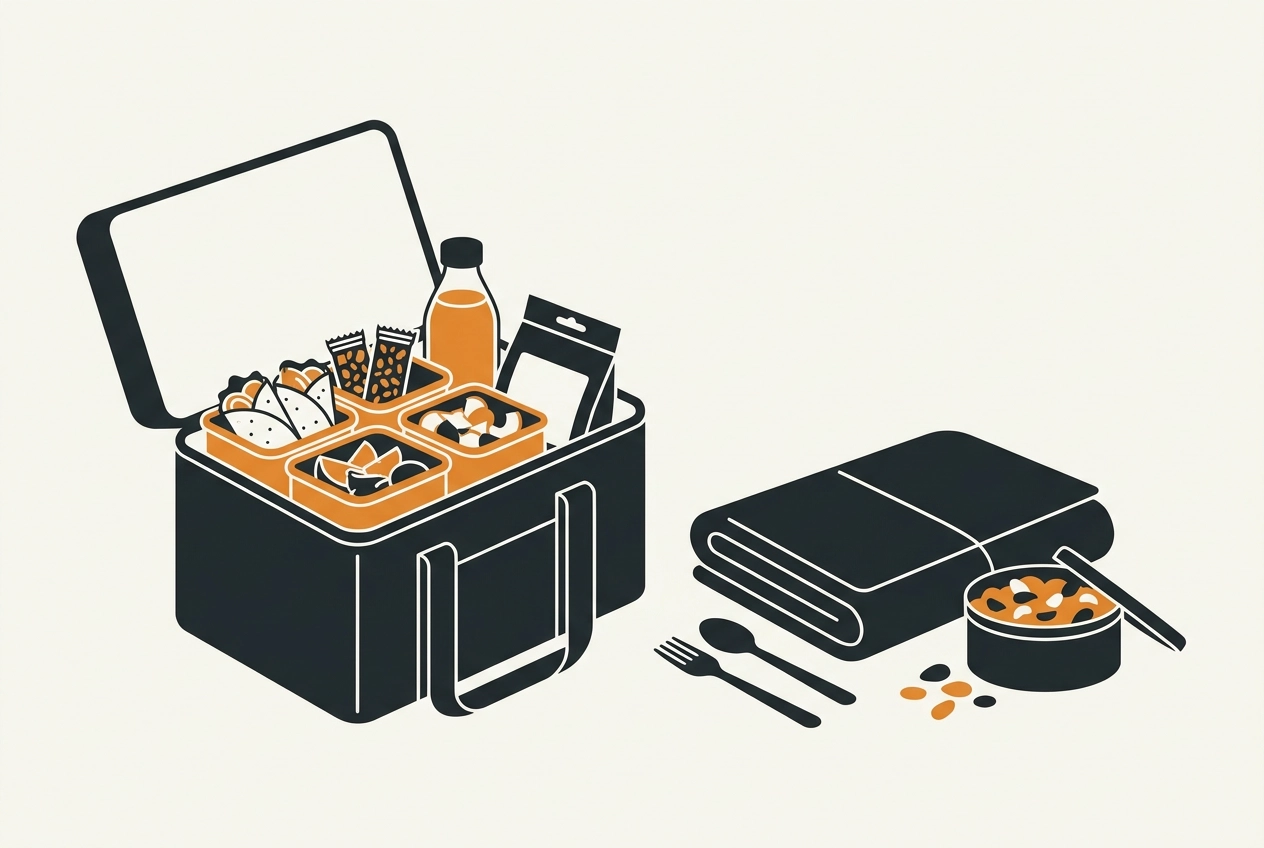
Picture this: you're at the campsite, the sun is blazing down, your crew is starving, and someone asks: "Can't we just cook something?" Sure, in theory. In practice, nobody wants to wrestle with a camping stove, pans, and washing up in the mud. That is where festival food ideas no cooking required come into their own: quick, simple, and ideal if you'd rather spend your time enjoying the music than chopping veg. Whether you're packing solo or sorting meals for the whole group, here is your stress-free guide on what food to take to festivals.
In this post, you'll find 15 quick no-cook ideas. I'll explain why going stove-free without a fridge is often the smarter move, what genuinely lasts, and what you should eat straight away. You’ll get four breakfast ideas, five cold main meals, six energy-boosting festival snacks, plus a festival bread ranking, a 4-day shopping list for one person, and handy group tips. We'll also cover heat, leftovers, the 2-hour rule, cool box hacks, and keeping drinks chilled. By the end, you'll know exactly what to pack in your rucksack—no cooking stress, no fiddly recipes, guaranteed.
Why going stove-free at a festival is usually the smarter choice
No stove, no gas canisters, no arguments over who has to cook outside the tent. Eating cold saves luggage space, cash, hassle, and endless discussions with festival security about naked flames. Plenty of guides assume you'll bring a camping stove—we don't. Three to four days is standard festival length, and that's precisely the timeframe bread, tinned food, and dry goods can comfortably survive without refrigeration. Cold food doesn't have to be depressing: think jarred antipasti, crusty bread, or a tuna and mustard wrap. For many, that beats a third lukewarm bowl of tinned soup in the afternoon. Plus, in hot weather: fewer warm pots, fewer open leftovers, and fewer flies buzzing around your tent. Food safety is far simpler when you aren't cooking from scratch. If you're new to camping, check out our Beginner's Camping Practical Guide.
What genuinely keeps without a fridge (and what doesn't)
Let’s get down to the basics: not everything needs a cool box, but not everything that looks shelf-stable will survive without chilling.
The staple foundation: Rolled oats, pasta, couscous, lentils, and unopened tinned goods are classic non-perishable staples. For more details on what keeps, check our guide on Which Foods Last at Festivals Without a Fridge.
Needs proper refrigeration: Fresh meat and fish. Without a reliable cool box, leave them at home and make the festival food stalls your Plan B.
UHT milk: Only shelf-stable until opened. Once opened, it needs chilling and drinking promptly. For cereal or porridge, pack powdered milk instead.
Risky leftovers: Leaving cooked rice or pasta sitting around lukewarm? Classic mistake. Eat it straight away.
Single portions beat bulk buys. Leftovers always trigger that dodgy festival dilemma ("Is this still safe to eat?"), and by day three, that gamble almost always ends badly.
We deliberately avoid quoting strict day counts: real-life festival conditions vary, so we stick to "lasts the longest" and "best eaten on days 1 and 2".
Enough theory—let's build breakfast.
No-stove breakfasts: four ideas for an early start
Now that we know what keeps without chilling, here’s the fun bit: breakfast. Four ideas, zero stoves, zero fuss.
Idea 1: Overnight oats in a screw-top jar. Oats, milk powder, and water—leave to soak for ten minutes, throw in a banana. No stove, no pan, keeps you full until lunchtime.
Idea 2: Crispbread with chocolate spread, honey, or squeezy cheese. A breakfast that survives blazing sun, dust, and mud without going soggy.
Idea 3: Sliced bread with jam or cream cheese. Sliced loaf bread keeps for a few days—a practical morning staple. Keep cream cheese in the cool box and eat it first.
Idea 4: The emergency lazy morning. Cereal bars, dried fruit, and trail mix straight out of your pack. Perfect for mornings when nobody can face making bread.
Caffeine without a kettle: Drop cold-brew bags into cold water, dissolve instant coffee in cold milk, or buy a coffee from a stall and call it an investment in your sanity. For more cold lunch and dinner inspiration, check out our Easy Festival Food Ideas: Cooking Without Fridge Stress.
Cold main meals: five ideas for lunch and dinner
Once breakfast wears off and proper hunger hits, here are five cold main meals completely stove-free.
Idea 5: Tinned ravioli or tinned meatballs. Pop the lid, grab a spoon, eat it cold. Sounds rough, works brilliantly, costs next to nothing. Always inspect first: dented lids or bulging tins? Don't touch them—botulism is no joke.
Idea 6: Jarred antipasti. Olives, chargrilled peppers, sun-dried tomatoes, scooped onto crusty bread. Feels like a proper deli meal and requires zero refrigeration. Just keep opened jars in or near the cool box and finish them promptly.
Idea 7: Chickpea or lentil salad. Drain a tin, add a splash of oil and vinegar, diced onion, and a pinch of seasoning—mixed in two minutes. Just eat it straight away rather than keeping leftovers.
Idea 8: Tuna wraps. Tortillas, tinned tuna (eat immediately once opened), cucumber, red onion, and mustard. A bit messy, very tasty, properly filling.
Idea 9: Platter-style grazing board. Flatbread and whatever bits you have left. Eat flatbread on the day you buy it; after that, it turns to cardboard.
And if you desperately crave warm food: instant tabbouleh and couscous mixes usually specify boiling water, so treat them as a Plan B, not your core strategy. If you do decide to pack gas after all, find the right camping stove for your crew here.
Snacks, salt, and sweet treats: six ideas for that mid-afternoon dip
When the mid-afternoon slump hits between sets, having good festival snacks on hand saves the day. Here are six reliable options.
Idea 10: Nuts, trail mix, and dried fruit: Calorie-dense, shelf-stable, and your best insurance policy against the 4 pm wall. A handful will get you back on your feet.
Idea 11: Rice cakes and savoury crackers: Unfazed by 30-degree heat—crunchy and zero melting risk.
Idea 12: Plan your salt intake: Electrolyte powder for your water bottle or high-sodium mineral water will replace what you sweat out dancing. Salted crisps and crackers help too, but electrolyte sachets are the most dependable choice.
Idea 13: Fruit with a plan: Apples and oranges last for days, while melon slices and berries are day-one luxuries. Don't shove bananas right at the bottom of your bag. Check our guide to see which festival foods last without refrigeration.
Idea 14: Avoid melt-prone sweets: Biscuits, gummy sweets, flapjacks, cereal bars, and jelly beans survive the heat. Only bring chocolate bars if there's spare room in the cool box; otherwise, that bar turns into a fondue puddle inside your tent.
Idea 15: Squeezy tubes over glass jars: Squeezy chocolate spread and honey stay neat and clean. Scooping out of jars in the baking heat quickly becomes a sticky nightmare.
Snack box sorted. Now all that's missing is bread that actually lasts.
Bread that survives: the definitive festival weekend ranking
Speaking of snacks, bread does the same job, just far more filling. Rank your choices by shelf life:
1st Place: Crispbread. Lasts the longest, bone-dry, heat-proof, and virtually indestructible in a rucksack. Your ultimate reserve for days 3 and 4, keeping for up to six months. If you spot mould, bin the entire pack—spores spread invisibly.
2nd Place: Sliced loaf. Keeps pretty well—a dependable all-rounder for the first few days.
3rd Place: Bread rolls. Strictly for day 1; after that, you could use them as doorstops. Once a day has passed, they're rock-hard.
4th Place: Flatbread / pitta. Best on the day of purchase; after that, it turns leathery. Only buy it if you're eating it today.
Always pack crackers and rice cakes as heat insurance. And never leave bread baking in a hot car or tent porch: keep the bag tucked in the shade of your cool box, not on the tent roof. If you do end up taking a camping stove, our guide on 'What will you cook with this gear?' will help you choose.
The 4-day solo festival shopping list
That's the bread sorted. Here's what food to take to festivals for one person over four days:
Days 1 & 2 (eat fresh items first): Rolls, flatbread, cucumber, hard cheese, cream cheese, a tin of tuna. Anything that benefits from slight coolness should be eaten first.
Days 3 & 4 (the backup stash): Crispbread, crackers, two or three tins, a jar of antipasti, dried fruit, nuts. Keep this bag sealed until needed—even during 2 am cravings.
Basic staple pack per person: Porridge oats, powdered milk, a tube of chocolate spread or honey, seasoned salt, mini bottles of oil and vinegar, plus as much drinking water as you'll genuinely sweat out on a scorching day.
Keep all your ambient, no-cool items in a dedicated tote bag so you aren't rummaging past sleeping bags and gazebo poles in the pitch black. Packing neatly pays dividends, just like when autumn camping through long, chilly nights.
Crew tip: Assign each person one category (bread, tins, snacks, drinks). That way, nobody ends up carrying four loaves of bread while three different people bring cooking oil. Share a digital shopping checklist so everyone sees real-time updates at the supermarket and no one double-buys spreads.
Catering for groups: splitting costs, labelling gear, and avoiding duplicates
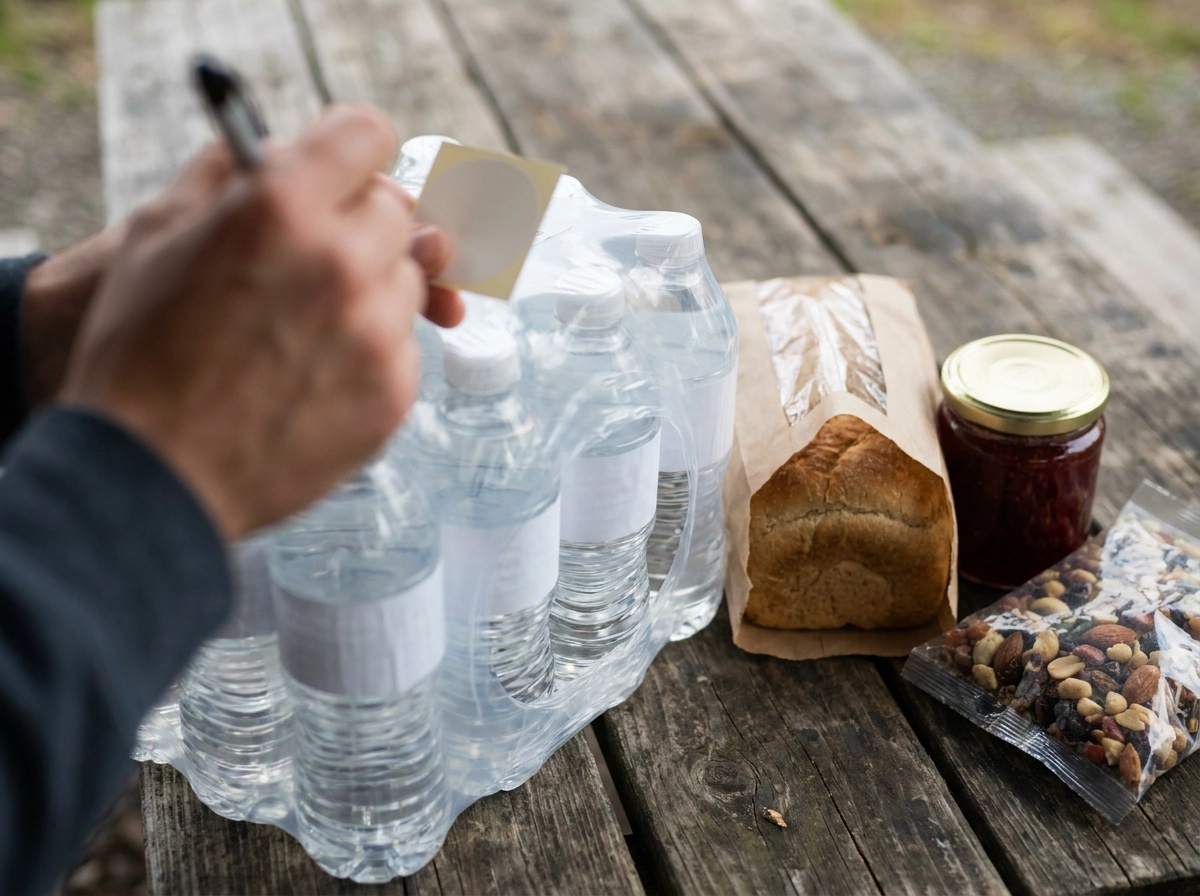
You've got the list; now it's time to split the cost and pack it all up.
Split costs without drama: Have one person buy the communal items (bread, tins, snacks, bottled water) and log it in a bill-splitting app on arrival day. By Sunday, nobody remembers who bought the four crates of water.
Label everything: Write names, arrival day, and "Crew" or "Mine" on every bag. Otherwise, your day-4 reserves will mysteriously vanish by Saturday night, and no one will admit to it.
Roles instead of committee meetings: Assign a Bread Boss, a Water Warden, a Snack Supervisor. Sounds daft, but it saves weekends. You won't realise how crucial it is until Sunday rolls around.
Shared packing list: Run a shared packing list for the crew so nobody doubles up on kit and your boot doesn't become an impossible game of Tetris.
Budget for Plan B: Treating yourself to a meal from the food vans isn't a failure—it's part of the plan. Always carry cash: card machines frequently cut out in packed festival crowds.
Heat, leftovers, and the 2-hour rule: honest advice
Roles are set, costs are split. Now for the part people often learn the hard way: heat and leftovers.
The 2-hour rule is our golden guideline: anything perishable left sitting in the sun for more than two hours gets binned. Better to ditch one portion than spend two days of the festival doubled over in a portaloo. Sounds harsh, but it's the safest insurance you have.
Never leave opened tins sitting uncovered in your tent. Transfer any leftovers to an airtight container near the cool box or polish them off immediately. Open tin lids are a magnet for flies.
We deliberately steer clear of gimmicks like chilling food in a nearby stream. The cooling is unreliable and the hygiene risks are real. Stick to your cool box or eat food fresh. That leaves far more time to enjoy the festival.
Cool box hacks and power for chilled drinks
Leftovers are high-risk, but cold drinks are simple—provided your cool box starts off right: pre-chill it at home, pack it chilled, and park it strictly in the shade on site. Not in the sun trap where you pitched your tent.
Pro tip from experience: Freeze large bottles of water beforehand. They double as giant ice packs and provide ice-cold drinking water as they thaw.
Keeping drinks cold across four full days demands heaps of ice or electric power. A portable power station can run an electric cool box for several days—just check the box's wattage against your battery capacity before setting off. It's infinitely calmer than hunting down overpriced ice bags on Saturday. If power runs low, hook up a solar panel. Or pre-chill the cool box at home and use it exclusively for drinks. Both beat panic buys at the festival bar.
Two smaller cool boxes beat one giant one: keep drinks in a separate box so the food cooler isn't opened twenty times an hour, letting all the cold escape.
And bring a headtorch. Rooting through three different bags for the snack box at 3 am using only a dying phone torch is the ultimate festival trial.
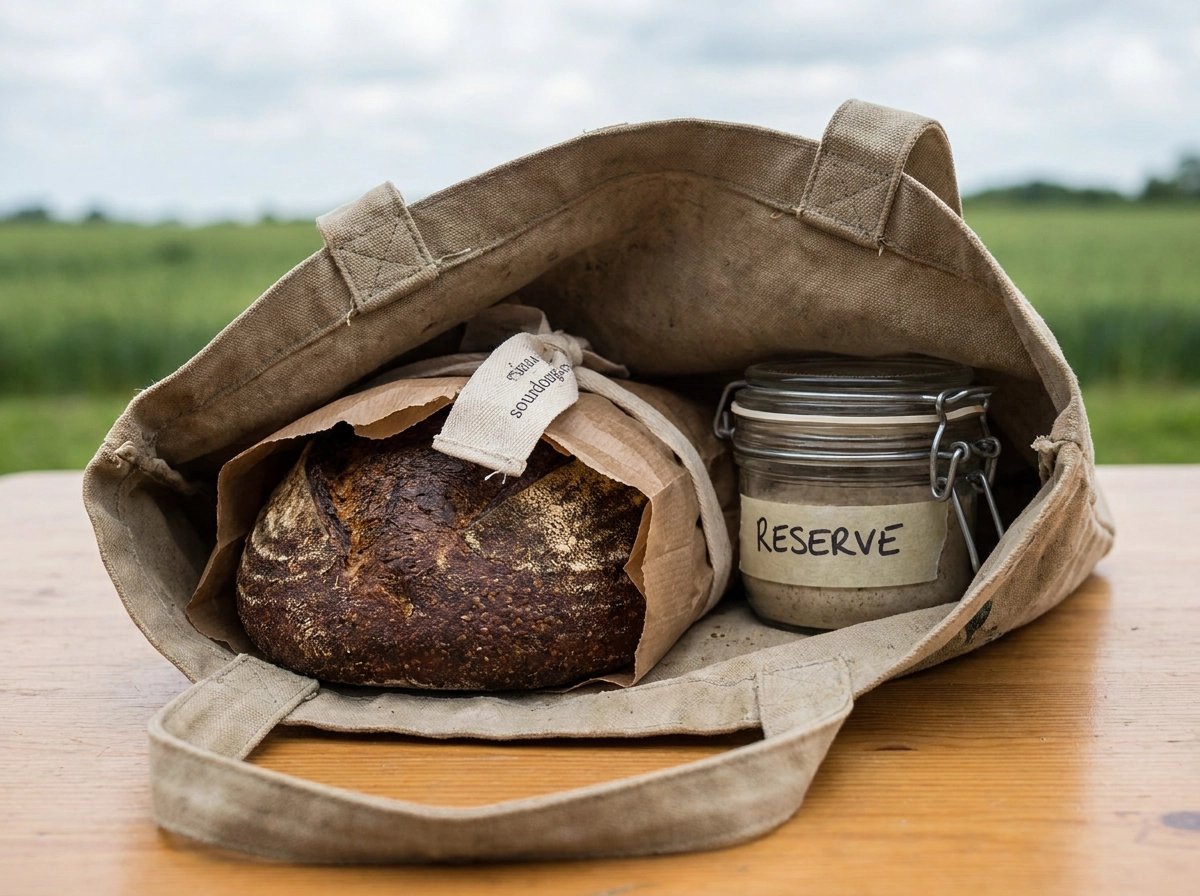
Summary: What you really need to pack
Once the cool box is sorted, festival life suddenly becomes remarkably simple. Instead of fiddling with cooking kit, keep these four rules in mind for a smooth weekend:
Stagger your bread: eat fresh loaves first, crispbread last.
Assign roles and label all bags so your emergency stash actually survives until day four.
In the heat: anything left out in the sun for over two hours goes straight in the bin.
Plan your cool box and portable power setup before you leave home.
And if everything goes pear-shaped: the late-night burger or kebab van has always been an honourable part of festival culture. Nobody said you had to be a self-catering hero for four days straight.
Related camping guides
- Sleeping equipment and protection from wind and rain — match your sleeping setup to night-time temperatures and keep clothing and bedding dry.
- Rain and mud camping packing list — prepare waterproof layers, spare clothing and equipment for wet ground.
- Head torches, camp lighting and off-grid charging — compare lighting options for longer autumn evenings; treat solar charging as a weather-dependent supplement.
- Simple hot meals for chilly camping days — find one-pot recipes and food that keeps without a fridge.