Will Your Group Camp Fit? Sizing Tents, Shade and Cars
Artikel teilen
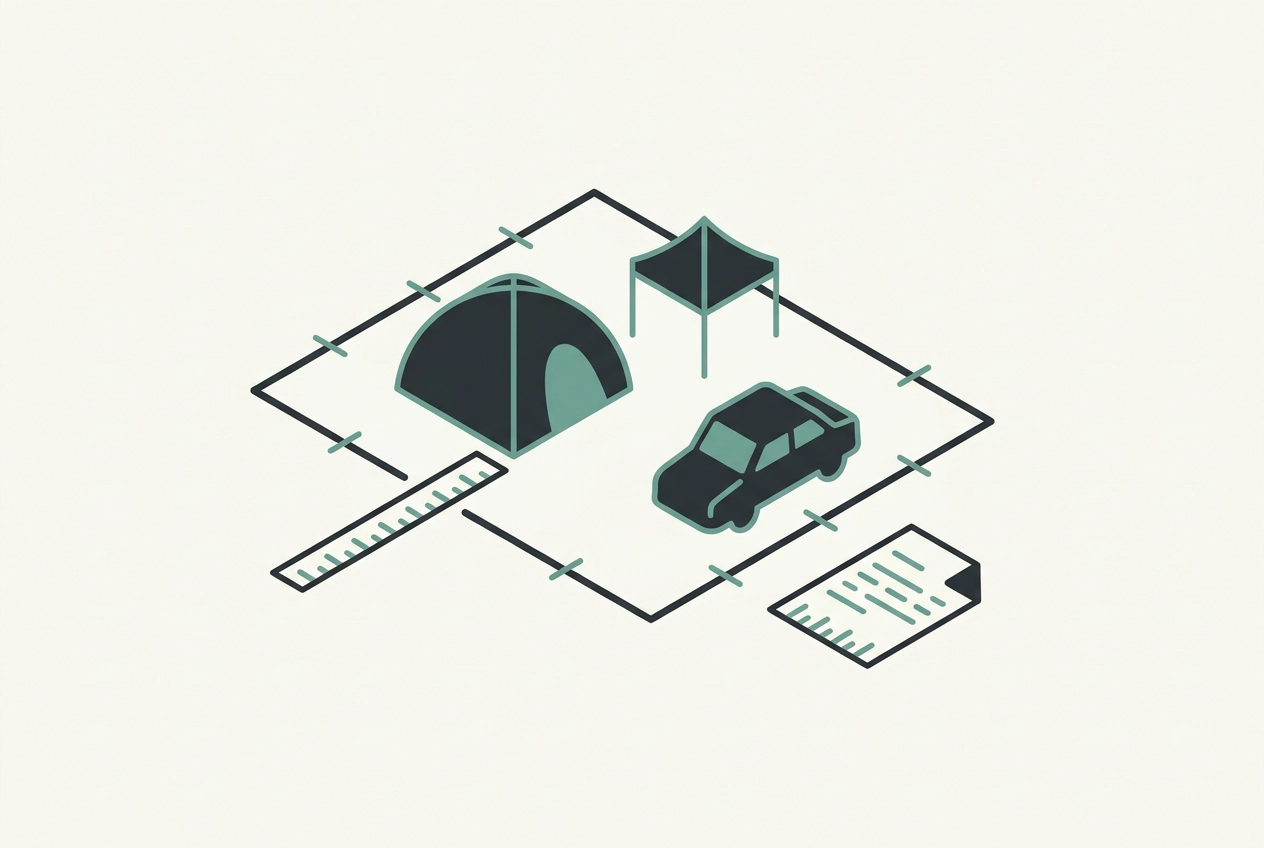
So you’re planning a festival crew trip and someone just said, “I’ll bring the 6 person tent!” Cute. That tent might sleep six humans in a brochure photo, but add guy lines, air mattresses, backpacks, a cooler, and Dave’s questionable dance space, and suddenly your pitch is doing yoga. Before you spend a dime, let’s do the boring-but-magic footprint math that saves friendships.
Here’s what we’ll cover: why festival camps run out of pitch space, what a 6 person tent actually occupies on the ground, and what to measure before you buy camping tents for a crew. We’ll walk through a simple per-person area rule and a worked example, then add the footprints everyone forgets: shade, coolers, cars, guy lines, walkways, and fire lanes. You’ll also get the pitch fit checklist and the questions to ask the campground before buying. The goal isn’t more gear for the sake of gear. It’s figuring out whether fewer, bigger tents and one shared shade structure actually fit your marked pitch better. Let’s make your crew look organized, even if you’re not.
Why Festival Camps Run Out of Pitch Space
Picture it: six people, one "sleeps six" tent, and a pitch that fits five. Most crews shop for sleeping capacity first and ground space last, so the tent that sleeps six is often the one that swallows the pitch.
A marked pitch has to hold sleeping tents, guy lines, walkways, shared shade, coolers, chairs and usually at least one car. All of it eats ground your tent cannot use. Pitch sizes differ between events and between campgrounds, so treat every number you find online as a question to ask, not a rule to trust.
The fix is unglamorous: measure real footprints first, then decide how many tents your crew actually needs and what size they should be. This guide gives metres and centimetres first, with feet and inches in brackets, so DACH crews and festivalgoers heading abroad can work from the same maths.
One honest warning before we start: no figure here is a universal festival rule. Anything that varies by event is flagged as something to confirm. New to the jargon? Start with hydrostatic head and guying.
What a 6 Person Tent Actually Occupies on the Ground
Here's the part that trips up almost every crew: the number on the box is not a floor plan.
A 6 person tent rating means six adults lying shoulder to shoulder, roughly that, on paper. Nobody camps like that. Add bags, airbeds and a cooler, and a 6 person tent for six adults becomes a squeeze. So when your crew keeps asking whether a 6 person tent is enough for four people, the honest answer is that it depends on your gear list, not the number in the product name.
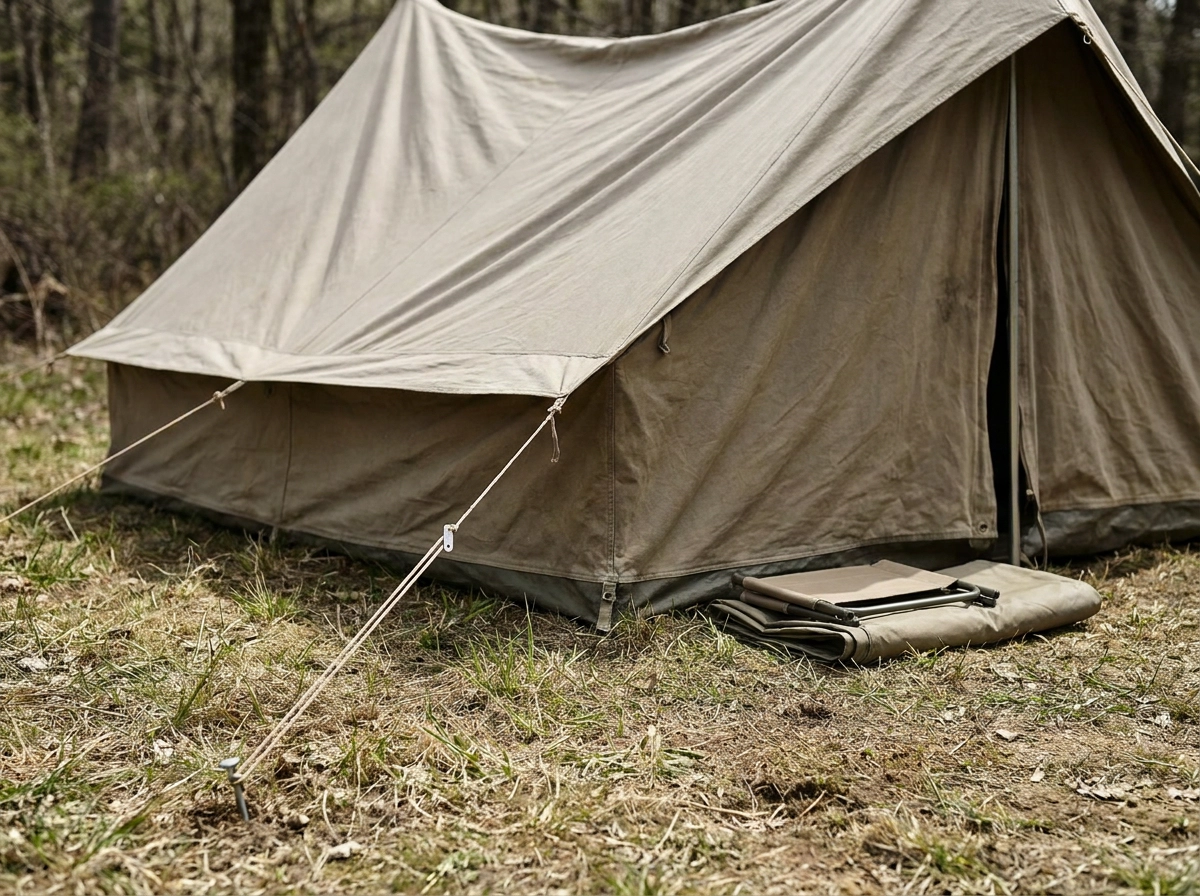
The footprint you actually plan for is the tent body plus every guy line and peg, plus any vestibule or porch you genuinely intend to use.
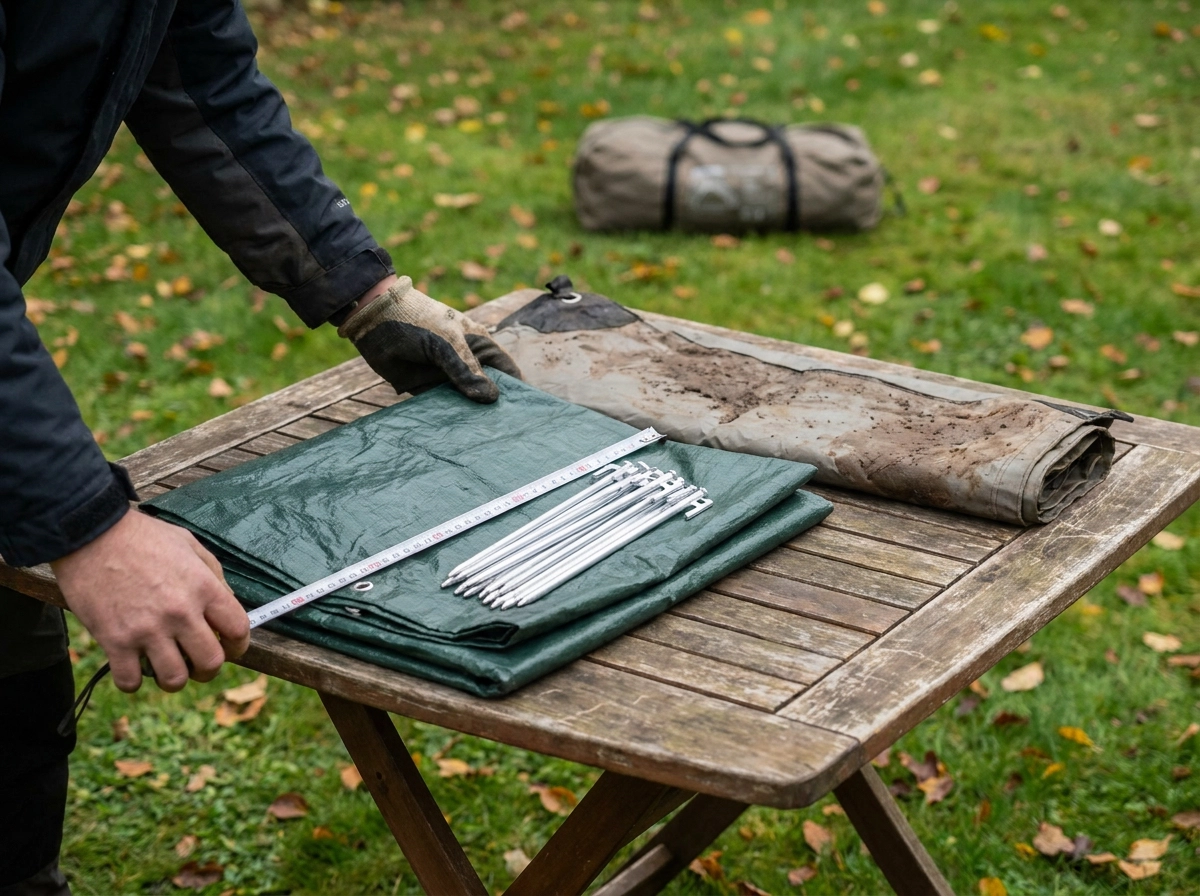
Start with the manufacturer's listed floor dimensions, measured corner to corner at the base, not the peak height. If the listing only gives capacity, treat the real floor plan as unknown. Then measure the tent yourself in a shop or a friend's garden before you commit to it.
The rule to carry through this whole guide: buy for the footprint you can see and measure, never for the number on the box. Now grab a tape measure and start listing what actually touches the ground.
What to Measure Before You Buy Camping Tents for a Crew
You've measured the tent body. Now measure everything else that touches the ground.
Tent body: floor length by width, along the ground, not the diagonal.
Guy lines: how far each reaches when pegged properly, plus your own buffer for tripping and paths.
Door swing and vestibule: outward-opening doors need clear space in front; a low tent needs standing room elsewhere for changing.
Shared gear: shade canopy legs and their guy lines, table, chairs, coolers, cooking station, water container, power station.
Vehicles: one car footprint per car if parked beside the pitch, plus a walking gap to the nearest tent wall.
Walkway: a corridor wide enough for two people with a crate each, kept clear all weekend, not just arrival day.
Lay it all on paper or on the ground with string before you shop. Finding the problem in your garden beats finding it on a wet Thursday at the gate. For storm-ready setup ideas, see our Camp & Weather Protection guide.
The Footprint Math: A Per Person Rule and a Worked Example
Now for the math.
Step 1: List every item that touches the ground, with its measured or listed size beside it.
Step 2: Add guy line reach on all sides of tents and canopies. Each becomes a rectangle you cannot camp, sit or walk on.
Step 3: Add door swing and walkways, sum the rectangles, and compare with the pitch area the campground gave you.
Step 4: Divide the usable area by your crew size. That per person figure is your benchmark for testing any setup before you buy.
A Worked Example
Illustrative numbers, swap in your own: four people, one large tent, one 3 x 3 m (about 10 x 10 ft) canopy and one car. Add guy lines to both, one walkway between them, plus the cooler zone.
Then rerun it with four small tents: four bodies, four sets of guy lines, four seating spots. Compare both totals side by side.
Keep It Honest
If your total beats the pitch, cut an item or move up to one bigger tent. Hoping the neighbors won't mind is not a plan.
Do it with a friend and a tape measure in the yard. Twenty minutes now saves an argument at the gate. New to group camping? Our Camping für Einsteiger guide covers the rest of the setup.
Shade, Coolers and Cars: The Footprints Everyone Forgets
You have your rectangles. Now the three footprints everyone forgets.
A shade canopy eats a tent's worth of ground. The middle stays open, but the legs and guy lines are still off-limits. It is often camp's only shared shelter, so it earns that space. Count it honestly rather than calling it free. If yours doubles as rain cover, our guide to camping through cold, damp nights is worth a read.
Coolers: count each footprint, then add lid clearance. A cooler you cannot fully open is one you will not use.
Cooking stations need a buffer from tent fabric and walkways. Rules vary; a 2025 Georgia fire guide requires cooking devices at least 10 feet from tents. Ask for yours in writing.
Cars are the biggest variable. On the pitch, beside it, or a separate field? That single answer can decide whether the plan fits.
Anzeige · Campingzelte für Gruppen auf Amazon ansehen* Vergleiche Maße, Gewicht und Bewertungen und prüfe, ob das Modell zu eurer Crew und eurem Trip passt. *Affiliate-Link zu Amazon-Suchergebnissen: Als Amazon-Partner verdienen wir an qualifizierten Verkäufen.
Group the messy items on one side, and the middle stays yours.
Guy Lines, Walkways and Fire Lanes: The Clearance You Cannot Camp On
Now that the shade and cooler zone have claimed their ground, draw the lines you cannot cross. Anything under a guy line is out of bounds, so line reach counts as much as tent size when you sketch the layout.
Walkways are not optional. Two crates of supplies and three people stumbling to the toilets at 2 a.m. need a clear route from the tents to the entrance. Fire lanes and emergency access stay empty at all times, and enforcement varies between events, so ask instead of assuming.
Setback rules between tents, and between tents and paths, are event specific too. Treat every one as a variable you confirm before buying gear, and read up on festival rules worth checking before you arrive while you are at it.
Nothing published anywhere? Get the answer in writing from the campground. A screenshot in the group chat beats a rumor in a forum thread.
Why One Big Tent and One Shared Shade Usually Beat More Gear
Once those walkways and fire lanes are mapped, the shape of your camp usually makes the decision for you. Five small tents do not just sleep five people; they multiply the problem. Each brings its own body, its own guy lines, and dead space between neighbors that nobody can use.
One large tent plus one shared canopy centralizes camp. Walkways stay out of the middle, and the crew gets a single spot to eat, sit, and hide from rain. You also carry fewer poles, stakes, and bags from the car, which matters on a long walk to the pitch.
Run your own footprint math first. If you truly need two tents, plan two properly sized ones, not five hopeful little ones. This is a conclusion from arithmetic, not a festival rule. Check event limits on tent and canopy sizes, then let your pitch, crew, and gear list vote. Once camp is up, our 9 recommendations for camp games can keep the crew busy.
Choosing a Tent for Camping With a Group: What to Check First
Lean toward one big tent plus a shared canopy? Then run your pre-buy checks before you spend a cent.
Floor dimensions: read the spec at the base, corner to corner, in metres with feet in brackets. Peak height is not floor space.
Guy lines: ask how far each line reaches when pegged out properly. Loosely staked lines claim less ground and do nothing in wind, so plan for the real layout.
Doors and vestibules: orientation decides whether you get a usable porch or a puddle with a zip.
Packed size and weight: weigh it against how far you carry it from the car and how many people share the lift.
Reviews: look for photos of the tent pitched and real measurements, then compare them with the manufacturer's spec sheet.
One size up: ask whether your group tent comes in a larger floor plan. Do the math both ways; it often beats an extra tent plus its guy lines.
For the wider checklist, see what matters at group camp.
The Pitch Fit Checklist
You've got the tent size right. Now the part nobody does until the gate: the fit check.
Pitch size and shape confirmed with the campground or organizer, ideally in writing, before you buy anything.
Every tent body measured, plus guy line reach on all sides, plus door swing and vestibule.
Shared shade measured at the legs and guy lines, not just the roof area.
Coolers, table, chairs, cooking station, water container and power station footprints added together. If a stove is part of the setup, work out how much ground your Gaskocher Camping station really takes before it eats your walkway.
Cars counted at one footprint each, with parking on or off the pitch confirmed.
Walkway and fire lane clearance drawn in and left permanently empty.
Total area compared with the pitch, with one specific item already chosen to cut or consolidate if you come out over.
Check every line, then move on to the questions that actually decide your layout.
Questions to Ask Before You Buy Anything
Checklist done? Good. Now for the answers only the campground can give you. Ask these before you spend a cent:
What are the exact pitch dimensions, and is the pitch marked on the ground or only shown on a map?
Can we park on the pitch, beside it, or in a separate field, and how many vehicles per pitch?
Are there limits on tent size, on canopy or pavilion size, or on how many structures we can put up per pitch?
What clearance is required around tents, and can guy lines stretch toward a walkway or the neighbouring pitch?
Are gas stoves or open flames allowed, and how far from tent fabric and from other campers?
Are pitches allocated on arrival or booked by size, and can we pay for a larger one if the crew keeps growing?
Can you confirm all of that by email?
That last question is the sneaky important one. A written answer you can screenshot into the group chat beats a forum rumour when you are standing at the gate at 11 pm with a trailer full of tents. Get it in writing, then go shopping with confidence.
The Short Version: Fit the Pitch, Then Buy
Once the campground has answered those questions, the rest is refreshingly boring: measure first, buy second. Tent bodies, guy lines, shade canopies, coolers and cars all eat ground you cannot sleep, sit or walk on.
Add those rectangles up, then divide by your headcount. That gives you your own per person area, based on your actual gear instead of the capacity number on a box.
Then let the campground's answers make the call. If the pitch is tight, that usually means one big tent plus one shared canopy, not four hopeful little ones.
Write the winning layout down and drop it in the group chat. No surprises at the gate, no mystery 4 person tent in somebody's trunk.
Do all that, and the only thing left to argue about is who is carrying the cooler.
Conclusion
Weiterlesen: Gruppen-Camp Platzplan: Schlafen, Küche, Strom, Chillout
Fit the pitch before you buy the gear. Three things matter most: measure the real ground each tent, canopy, cooler and car will take; add guy lines, walkways and fire lanes as no-go zones; and divide your total footprint by headcount so the capacity label stops lying to you. If the pitch is tight, one big tent plus one shared shade almost always beats a pile of hopeful little ones. Your next step is simple: email the campground your questions and keep the written answer in the group chat. Then measure, add, divide, and buy once. Do that and you can roll through the gate calm, confident and only mildly territorial about the cooler. Happy camping, friend.